SOLO DRILLS · PRACTICE WITH PURPOSE
Best Pickleball Drills to Practice Alone: 10 Ways to Improve Without a Partner
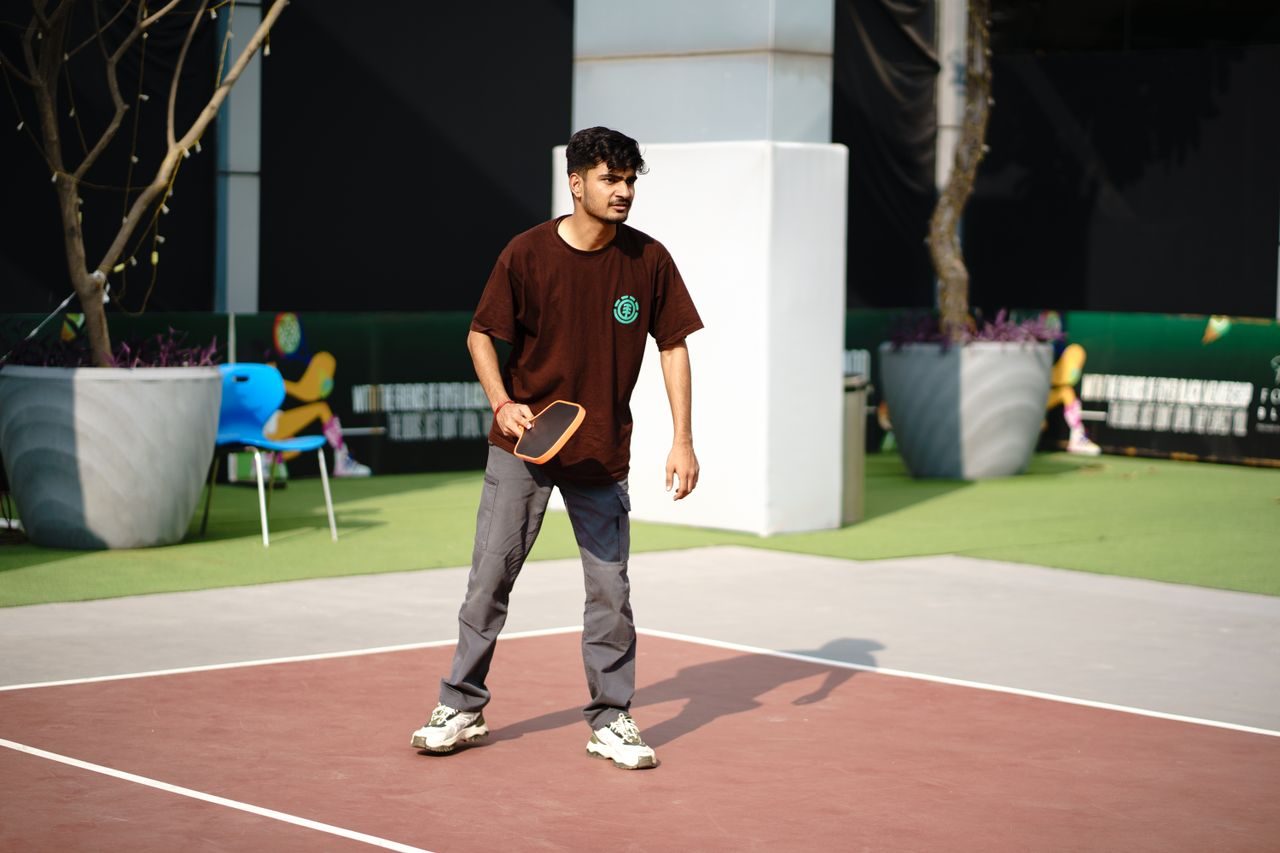
You don't need a practice partner to become a better pickleball player.
One of the biggest challenges recreational pickleball players face is finding someone available to practice. You might have an hour to spare, but nobody to hit with. Or perhaps you want to work on a specific weakness without spending an entire session playing games.
The good news? Some of the most valuable pickleball skills can be developed through individual practice.
Whether you're a beginner learning consistency or a 3.0 player working toward 3.5, solo practice can help you build better habits, improve your footwork, and develop more confidence on the court.
Here are 10 practical pickleball drills you can do alone, including several that require nothing more than a paddle, a ball, and a little space.
1. Serve Accuracy Challenge
Best for: Improving serve consistency and placement.
A reliable serve is one of the easiest ways to reduce unnecessary mistakes.
How to practice:
- Place three targets in the opposite service court: deep center, deep corner, and near the sideline.
- Hit 10 serves toward each target.
- Count how many land in the intended area.
- Repeat the drill, trying to improve your score.
Start by emphasizing depth and consistency before attempting difficult angles.
Practice goal: Land at least 8 of 10 serves legally in the correct service court, then gradually increase your accuracy expectations.
2. Paddle Control and Ball Bouncing
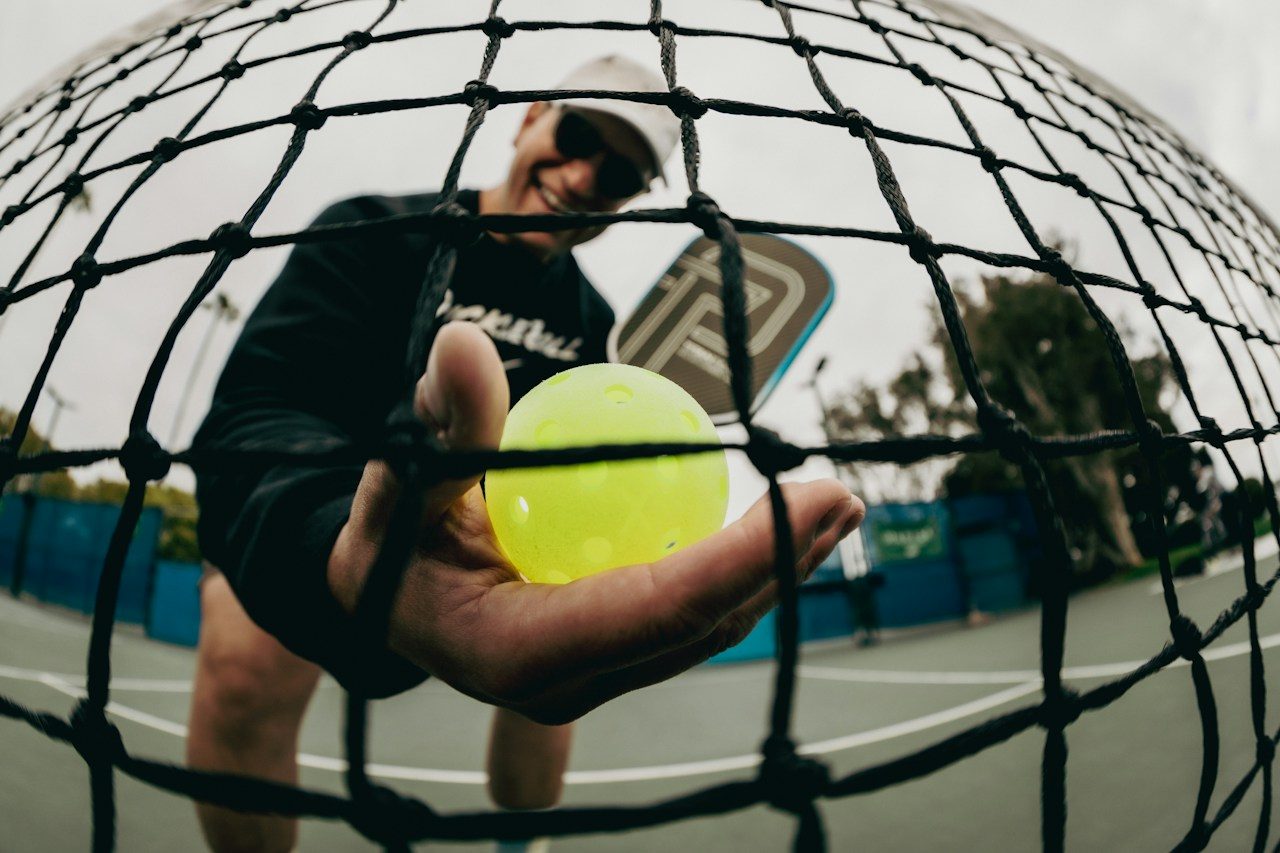
Best for: Hand-eye coordination and soft-touch control.
This simple drill can be performed in a driveway, garage, or other safe open area.
How to practice:
- Hold your paddle in front of you.
- Bounce the ball gently upward from the paddle face.
- Try to complete 25 consecutive controlled bounces.
- Repeat using the backhand side.
- Alternate between forehand and backhand.
Keep the ball relatively low and focus on maintaining a relaxed grip.
Practice goal: Complete 50 controlled touches without losing the ball.
This exercise won't replace actual hitting practice, but it's a useful warm-up for paddle awareness.
3. Wall Rally Drill
Best for: Improving reaction time, paddle positioning, and contact consistency.
A suitable practice wall can provide repeated ball contacts without another player.
How to practice:
- Find a smooth, sturdy wall where ball practice is permitted.
- Stand several feet away.
- Hit the ball gently against the wall.
- Maintain a controlled rally using forehand and backhand shots.
- Count your consecutive successful returns.
Start slowly. Move closer or farther away to change the difficulty.
Practice goal: Build toward 30 consecutive controlled contacts.
Important: Wall rebounds do not perfectly reproduce pickleball court geometry or ball behavior. Use this drill for contact and control, not as a substitute for practicing real shot trajectories.
4. Kitchen-Line Footwork Drill
Best for: Improving balance, positioning, and movement at the non-volley zone.
Good pickleball players don't just hit better shots. They get into better positions before hitting them.
How to practice:
- Stand just behind the kitchen line in a ready position.
- Shuffle three steps to your right.
- Return to the center.
- Shuffle three steps to your left.
- Repeat for 30 seconds.
- Add a simulated forehand or backhand dink at each end.
Keep your knees slightly bent and your paddle in front of your body.
Practice goal: Complete four controlled 30-second rounds while maintaining balance.
Avoid crossing your feet unnecessarily during short lateral movements.
5. Shadow Third-Shot Drop Practice
Best for: Developing repeatable movement patterns.
The third-shot drop is an important skill for players trying to advance beyond beginner-level play.
Even without a ball, you can rehearse the preparation and movement associated with a controlled drop shot.
How to practice:
- Begin near the baseline.
- Imagine receiving a deep return.
- Move into position with your paddle prepared.
- Rehearse a smooth, compact low-to-high swing.
- Finish balanced and ready to move forward.
- Repeat from different positions.
Practice goal: Perform 20 deliberate repetitions with consistent preparation and balance.
Shadow practice helps reinforce movement patterns, but actual ball contact is necessary to develop trajectory, height, and distance control.
6. Target Hitting With a Ball Machine
Best for: Repeating specific shots and measuring accuracy.
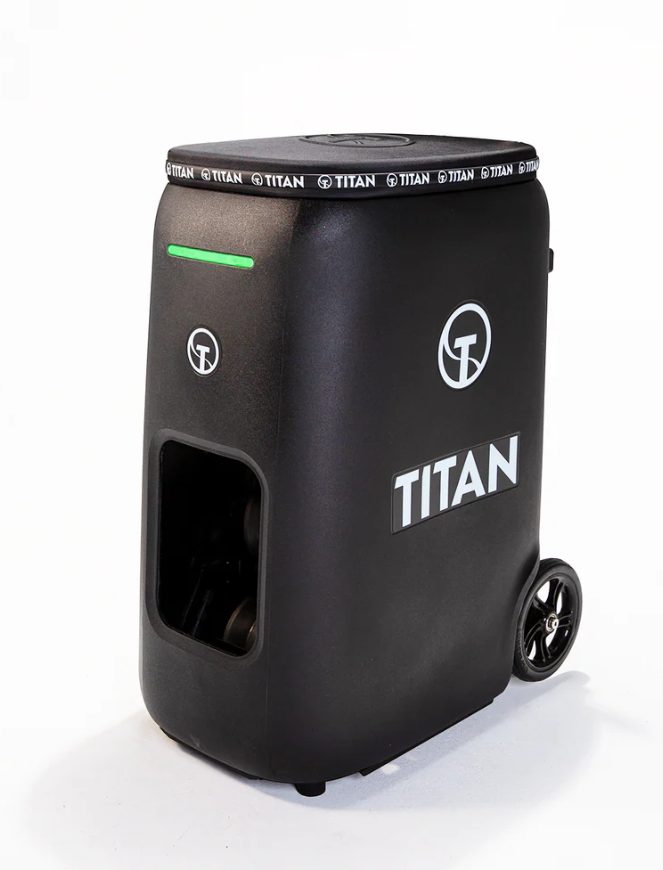
A pickleball ball machine can make solo practice substantially more productive because it delivers repeated balls without requiring a partner.
You can focus on a single skill instead of constantly restarting a rally.
How to practice:
- Position the ball machine according to its operating instructions.
- Select a comfortable feed speed and interval.
- Place a target in the area you want to hit.
- Hit 20 balls toward that target.
- Record how many land in the desired zone.
- Adjust one variable at a time as your consistency improves.
Practice goal: Reach 14 successful target hits out of 20, then work toward 16 or more.
This drill can be adapted for forehands, backhands, volleys, and other shots supported by your machine.
7. Third-Shot Drop Repetition Drill
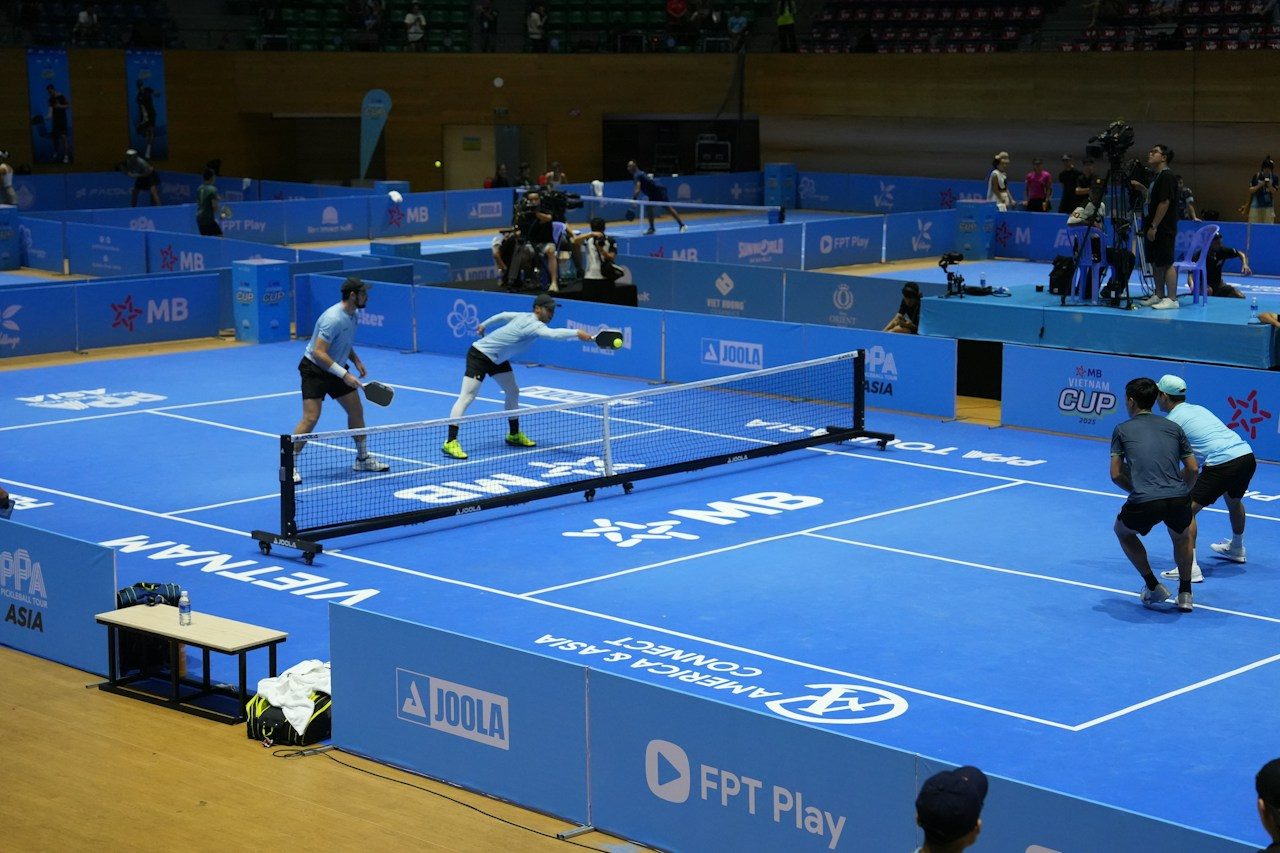
Best for: Improving touch, consistency, and transition to the kitchen.
For many intermediate players, learning to hit a dependable third-shot drop is a major step forward.
Unlike shadow practice, this drill requires live balls, such as those delivered by a suitable ball machine.
How to practice:
- Begin near the baseline.
- Set the machine to deliver manageable balls to your forehand.
- Aim to land a soft shot in the opponent's kitchen.
- Hit 20 repetitions.
- Record your successful drops.
- Repeat on the backhand side.
Focus on the height and trajectory of the ball rather than hitting harder.
Practice goal: Develop a consistent arc that clears the net and lands softly in the non-volley zone.
8. Forehand and Backhand Alternating Drill
Best for: Improving movement, recovery, and shot preparation.
Many recreational players feel comfortable hitting one side but struggle when they must alternate quickly.
How to practice:
- Use a ball machine capable of delivering alternating or oscillating feeds.
- Start with a comfortable interval between balls.
- Hit one forehand, then one backhand.
- Recover to a balanced ready position after each shot.
- Complete 20 shots and count your successful returns.
Practice goal: Maintain controlled contact while recovering properly between shots.
Increase the difficulty only after your accuracy and balance become reliable.
9. Serve-and-Move Drill
Best for: Developing a consistent routine after serving.
A good serve is only the beginning of the point. Your positioning afterward matters too.
How to practice:
- Begin behind the baseline.
- Hit a legal serve.
- Recover into a balanced ready position behind the baseline.
- Simulate preparing for the return of serve.
- Repeat 20 times.
Remember that under standard doubles rules, the serving team must let the return bounce before hitting the third shot. Don't automatically rush to the kitchen after serving.
Practice goal: Develop a repeatable serve-and-recovery routine.
10. The 20-Ball Consistency Challenge
Best for: Measuring progress over time.
Consistency is one of the most important differences between a developing player and a more dependable intermediate player.
This challenge gives you a simple way to measure improvement.
How to practice:
- Choose one shot, such as a forehand drive or backhand return.
- Use a ball machine to feed 20 balls.
- Aim for a defined, realistic target area.
- Count how many shots land successfully.
- Record your result.
- Repeat the same challenge each week under similar conditions.
Practice goal: Improve your personal score over several sessions.
For example, moving from 11 successful shots to 15 out of 20 represents measurable progress, even before you notice the difference during games.
Which Solo Pickleball Drills Should You Practice First?
Your priorities should depend on your current skill level.
| Skill level | Recommended focus |
|---|---|
| Beginner | Paddle control, serving, basic footwork |
| 2.5–3.0 | Consistency, forehand/backhand control, serve placement |
| 3.0–3.5 | Third-shot drops, transition footwork, accuracy |
| 3.5+ | Shot placement under movement, recovery, and controlled repetition |
You don't need to practice all 10 drills in one session. Choose two or three skills and work on them consistently.
A Simple 30-Minute Solo Pickleball Practice Routine
Short, focused sessions can be more useful than long sessions without a clear purpose.
| Time | Activity |
|---|---|
| 5 minutes | Warm-up and footwork |
| 5 minutes | Serve accuracy |
| 10 minutes | Forehand and backhand consistency |
| 5 minutes | Third-shot drop practice or shadow swings |
| 5 minutes | 20-ball accuracy challenge or paddle control |
Choose alternatives that fit your equipment and court access.
Keep a simple record of your results so you can compare performance over time.
Why a Pickleball Ball Machine Can Accelerate Your Practice
Practicing alone has one obvious limitation: it's difficult to create realistic, repeated incoming shots without another player.
A ball machine helps address that problem.
Instead of spending most of your time collecting balls or trying to find someone to practice with, you can focus on repetitions.
A suitable machine can help you:
- Repeat forehand and backhand shots.
- Practice specific placements.
- Work on third-shot drops.
- Improve reaction time and movement.
- Track measurable accuracy goals.
- Practice at times that fit your schedule.
For players who want to improve from a 3.0 toward a 3.5 skill level, structured repetition can be especially useful.
Practice With the Titan ONE in Kansas City
At Ball Machine Rentals KC, we offer Titan ONE pickleball ball machine rentals for players throughout the Kansas City metro area.
Our rental pickup location is in Overland Park, Kansas, by appointment.
Each rental includes 70 pickleballs, allowing you to focus on practice without purchasing an expensive machine.
Whether you want to work on your third-shot drop, improve consistency, or simply practice when nobody else is available, renting a machine gives you a flexible way to train.
Explore Titan ONE Rentals: https://ballmachinerentalskc.com/
Frequently Asked Questions
Can you really improve at pickleball without a partner?
Yes. Solo drills can help improve serving, paddle control, footwork, accuracy, and shot mechanics. However, match experience and partner practice are still important for developing decision-making, communication, and game strategy.
What is the best pickleball drill to do alone?
Serve accuracy is one of the most accessible solo drills because it requires only a court, paddle, and balls. For players with access to a ball machine, repeated target-hitting drills are also valuable.
How often should I practice pickleball?
Two to four focused sessions per week can provide useful repetition for many recreational players, depending on fitness, recovery, and available time. Consistency and quality matter more than simply accumulating hours.
Can a pickleball ball machine help me improve from 3.0 to 3.5?
A ball machine can help develop the consistency, accuracy, and shot control associated with stronger intermediate play. However, an official rating also depends on match performance and the rating system used. Improvement is not guaranteed within a specific timeframe.
Do I need a pickleball court for solo practice?
Not for every drill. Paddle control, shadow swings, and some footwork exercises can be performed in other suitable spaces. Serving, accurate shot placement, and realistic court-distance practice generally require a court.
Final Thoughts: Practice With Purpose
You don't need a partner every time you want to improve your pickleball game.
By working on serving, paddle control, footwork, consistency, and shot placement, you can make meaningful progress through individual practice.
Start with just two or three drills. Measure your results. Focus on improving one skill at a time.
And when you're ready to take your practice further, consider using a ball machine or following a structured 30-day improvement program.
Practice smarter. Play better. Make every session count.